
FLAG Emissions

Measure your FLAG footprint with the same rigor as every other category.

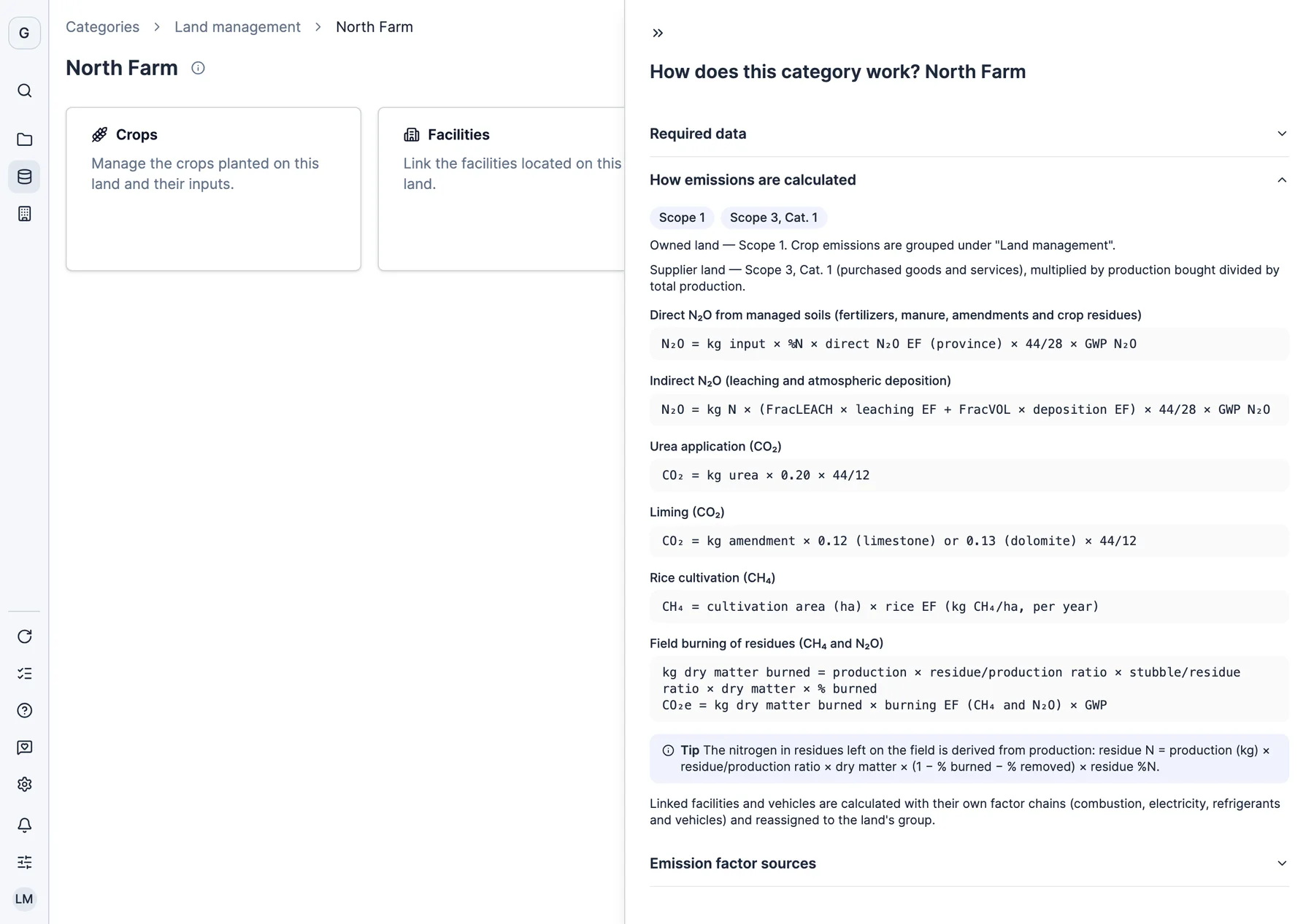
If your organization farms, manages land, or buys agricultural raw materials, Dcycle now calculates that footprint using official MITECO emission factors by province, ready for SBTi and GHG Protocol FLAG reporting.

Request a demo
FLAG emissionsFY 2025
Total FLAG4,210 tCO₂e
Land units18
Crop types7
Crops
48%
Inputs
34%
Livestock
18%
Matched toMITECO factors by province

Trusted by agrifood and land-intensive companies

Magnum Capital
Sabadell Venture Capital
Adara Ventures
Queka Real Partners
How Dcycle does FLAG

From land units to crops and inputs. Every FLAG source in one place.

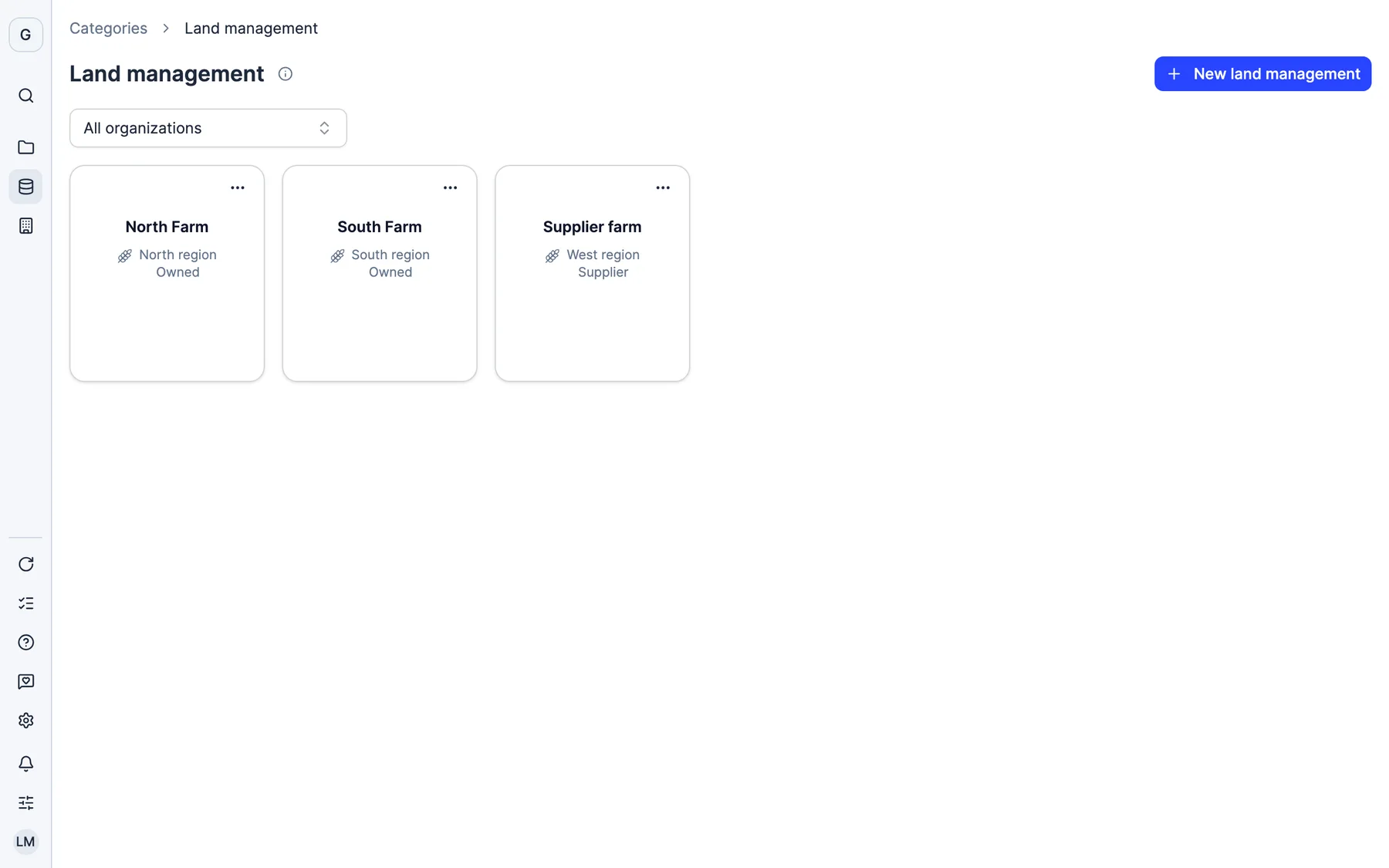
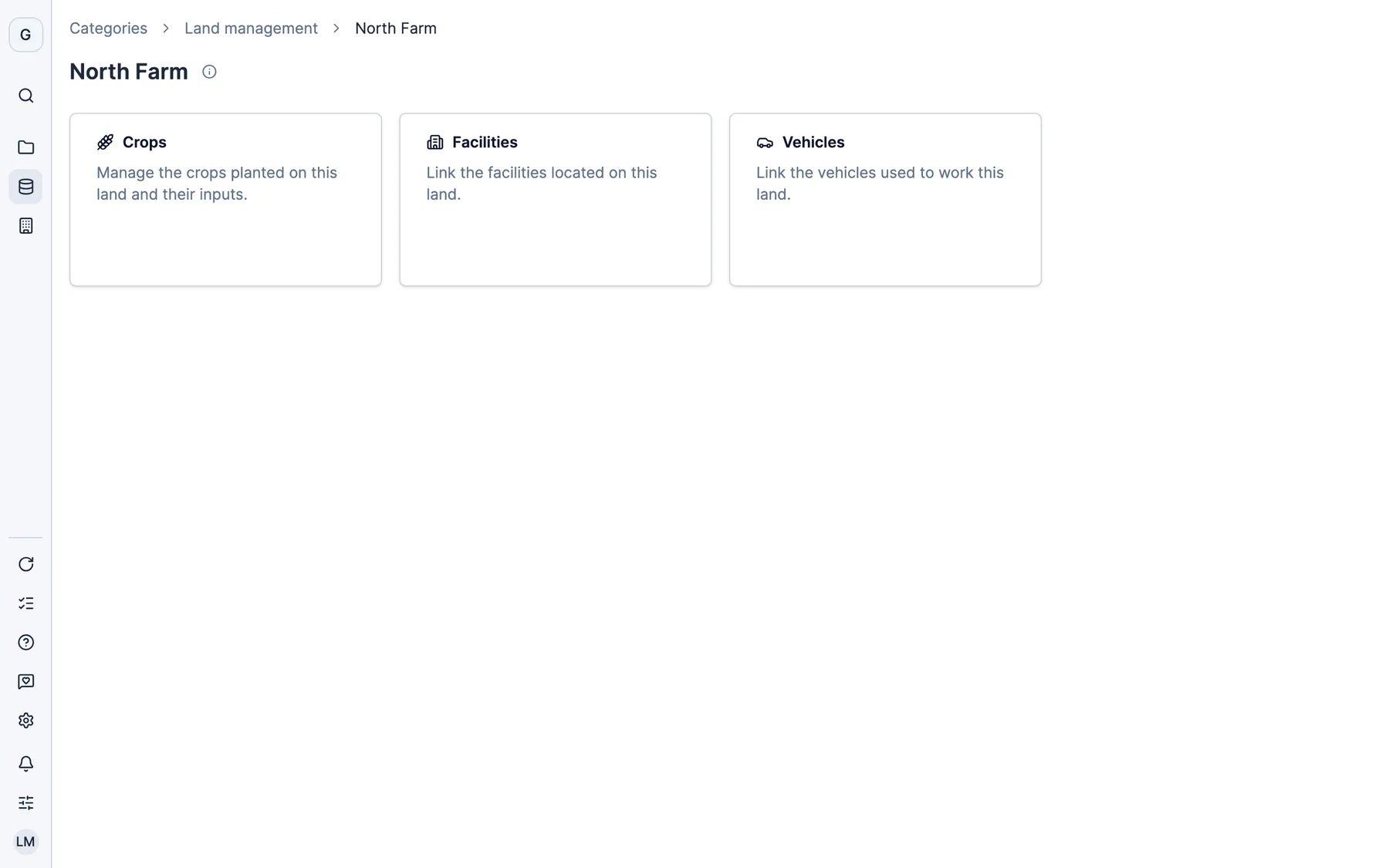
Create your land management units

Register every parcel your organization farms or manages, with its country, province and land typology. This is the base unit Dcycle uses to attach crops, inputs and emission factors at the right geographic level.

Land management units18 units
Finca La Alameda
Jaén, Spain · Olive grove · Owned
Parcela El Soto
Valladolid, Spain · Wheat · Owned
Viñedo Ribera Alta
Valladolid, Spain · Vineyard · Supplier-operated
Supplier
Arrozal Delta
Tarragona, Spain · Rice · Owned

Record crops across official typologies

Add the crops grown on each land unit, from olive groves and vineyards to wheat, rice and almonds. Dcycle matches each crop typology to the official MITECO emission factor for its province, so no manual lookup is needed.

Crop typologiesOfficial
Olive grove
Jaén · 42 ha
Vineyard
Valladolid · 18 ha
Wheat
Valladolid · 65 ha
Rice
Tarragona · 30 ha
Almond
Alicante · 12 ha
+ Add crop
from official typologies

Add agricultural inputs

Log synthetic fertilizers, manure, organic amendments and liming applied to each land unit. These inputs are a major share of FLAG emissions, and Dcycle tracks them at the same granularity as your crops.

Agricultural inputsFinca La Alameda
Synthetic fertilizer
Ammonium nitrate
1.2 t
Manure
Cattle manure, solid
3.5 t
Organic amendment
Compost
0.8 t
Liming
Calcium carbonate
0.4 t

Link facilities, vehicles and suppliers

Connect the facilities and vehicles you already have registered in Dcycle to your land units, and distinguish between land you own and land operated by a supplier. Your FLAG inventory reuses data you have already collected.

Finca La AlamedaOwned
Almazara Central
Linked facility
Tractor fleet (3)
Linked vehicles
Supplier: Cooperativa del Sur
Supplier-operated land
Land management units18 units
Finca La Alameda
Jaén, Spain · Olive grove · Owned
Parcela El Soto
Valladolid, Spain · Wheat · Owned
Viñedo Ribera Alta
Valladolid, Spain · Vineyard · Supplier-operated
Supplier
Arrozal Delta
Tarragona, Spain · Rice · Owned
Crop typologiesOfficial
Olive grove
Jaén · 42 ha
Vineyard
Valladolid · 18 ha
Wheat
Valladolid · 65 ha
Rice
Tarragona · 30 ha
Almond
Alicante · 12 ha
+ Add crop
from official typologies
Agricultural inputsFinca La Alameda
Synthetic fertilizer
Ammonium nitrate
1.2 t
Manure
Cattle manure, solid
3.5 t
Organic amendment
Compost
0.8 t
Liming
Calcium carbonate
0.4 t
Finca La AlamedaOwned
Almazara Central
Linked facility
Tractor fleet (3)
Linked vehicles
Supplier: Cooperativa del Sur
Supplier-operated land

Built for FLAG reporting from day one

See how Dcycle compares to the alternatives

Your choice Manual process Legacy tools

Land management units

Register every parcel with its country, province and typology, the base unit for all FLAG calculations.

Official crop typologies

From olive groves and vineyards to wheat, rice and almonds, matched to the right emission factor automatically.

Agricultural input tracking

Synthetic fertilizers, manure, organic amendments and liming, logged at the land unit level.

Reuse facilities and vehicles

Link land units to facilities and vehicles you already track, no duplicate data entry.

Own vs supplier-operated land

Distinguish land you own from land run by an agricultural supplier, both feed the same FLAG inventory.

Official MITECO factors by province

Every crop and input is matched to the province-level emission factor MITECO publishes for Spain.

“I see your help as super necessary. I can't imagine maintaining the contract without your advisory component. We went from scattered spreadsheets to a unified system in weeks.”
Yolanda Carazo Environmental Manager, Embutidos Monells
“Dcycle helped us consolidate 6 facilities across 2 countries into a single source of truth. Our auditors couldn't believe the level of traceability.”
Lina Pena Corp. Services Director, KLN Iberia

FLAG and agrifood emissions guides

View all sustainability resources

Frequently asked questions

What is FLAG and why does it matter for SBTi?

FLAG stands for Forest, Land and Agriculture. It is the emissions category that frameworks such as SBTi require from companies that farm, manage land, or source agricultural raw materials. Until now these emissions often sat outside the inventory or were roughly estimated; Dcycle brings them into your official calculation with the same rigor as every other category.

Which crop typologies does Dcycle support?

This first release covers official crop typologies, including olive groves, vineyards, wheat, rice and almonds, matched to MITECO emission factors by province. More typologies and geographies will be added through the rest of the year.

Where do the FLAG emission factors come from?

Dcycle uses official MITECO emission factors by province for crops and agricultural inputs. This gives you a defensible, source-backed calculation rather than a generic estimate.

What is the difference between land I own and land operated by a supplier?

Dcycle lets you tag each land management unit as owned or supplier-operated. Both feed the same FLAG inventory, so you get a complete picture whether the land sits on your balance sheet or belongs to a supplier in your value chain.

Does this release cover the full GHG Protocol FLAG standard?

This is the first release for FLAG, and it covers most of what our clients need today, but it addresses roughly one fifth of the requirements in the new GHG Protocol FLAG methodology released in February 2026, which comes into force from January 2027. Dcycle will keep expanding coverage throughout the year.

Can I link FLAG data to facilities and vehicles I already track?

Yes. Land management units connect directly to facilities and vehicles already registered in Dcycle, so you are not re-entering data you have already collected for other categories.

Which agricultural inputs can I log for FLAG?

You can record synthetic fertilizers, manure, organic amendments and liming applied to each land unit. These inputs are one of the largest sources of FLAG emissions for most agrifood companies.

Collect once. Use everywhere.

See how Dcycle cuts reporting time by 70%, surfaces operational savings, and gives your auditors what they need, the first time.

See Dcycle in action