

ESG&sustainabilityinsights
Insights on ESG regulation, sustainability reporting, and best practices.
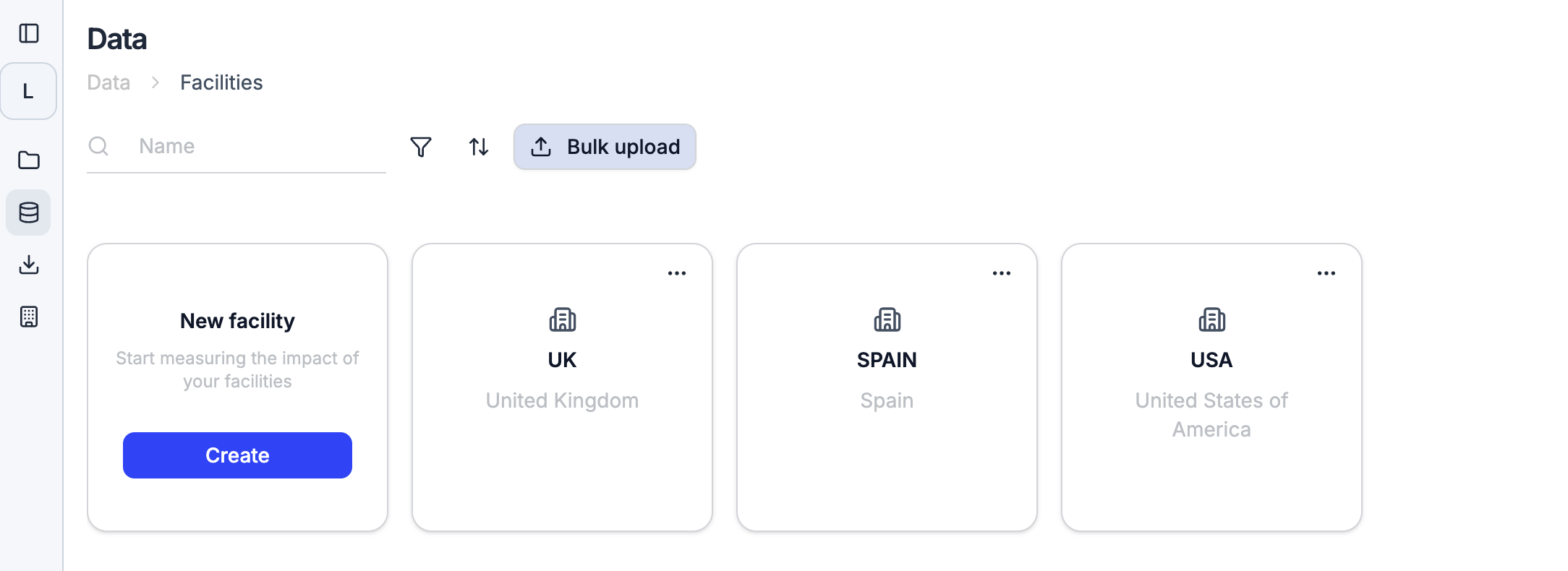
Bulk Upload for Facility Consumption
You can now upload electricity, water, and fuel consumption data for all your facilities in bulk using a single file.
 Mar 6, 2026 · 1 min read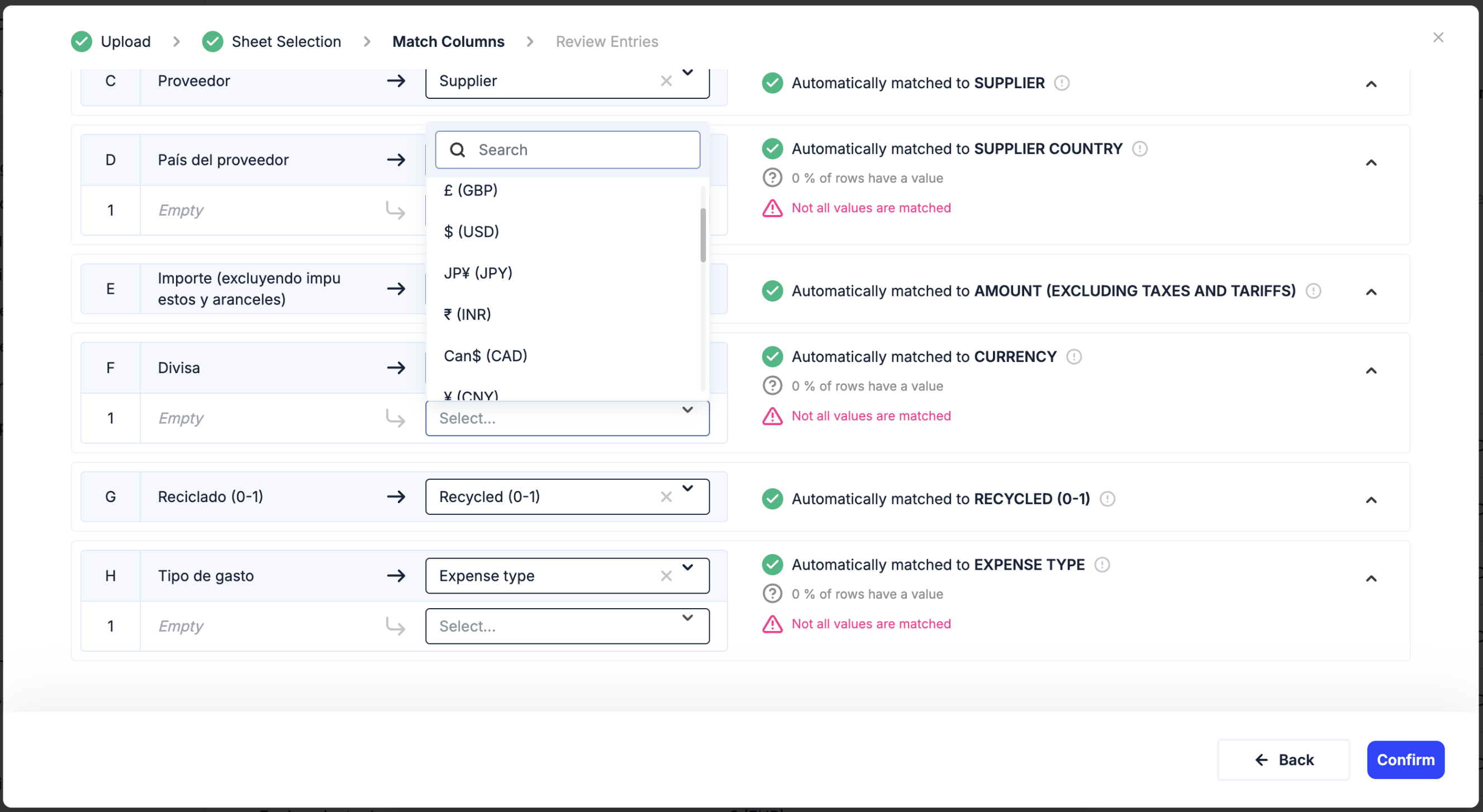
Multi-Currency Purchases
You can now create purchases in currencies other than euros, with official exchange rates from the European Central Bank.
 Mar 6, 2026 · 1 min read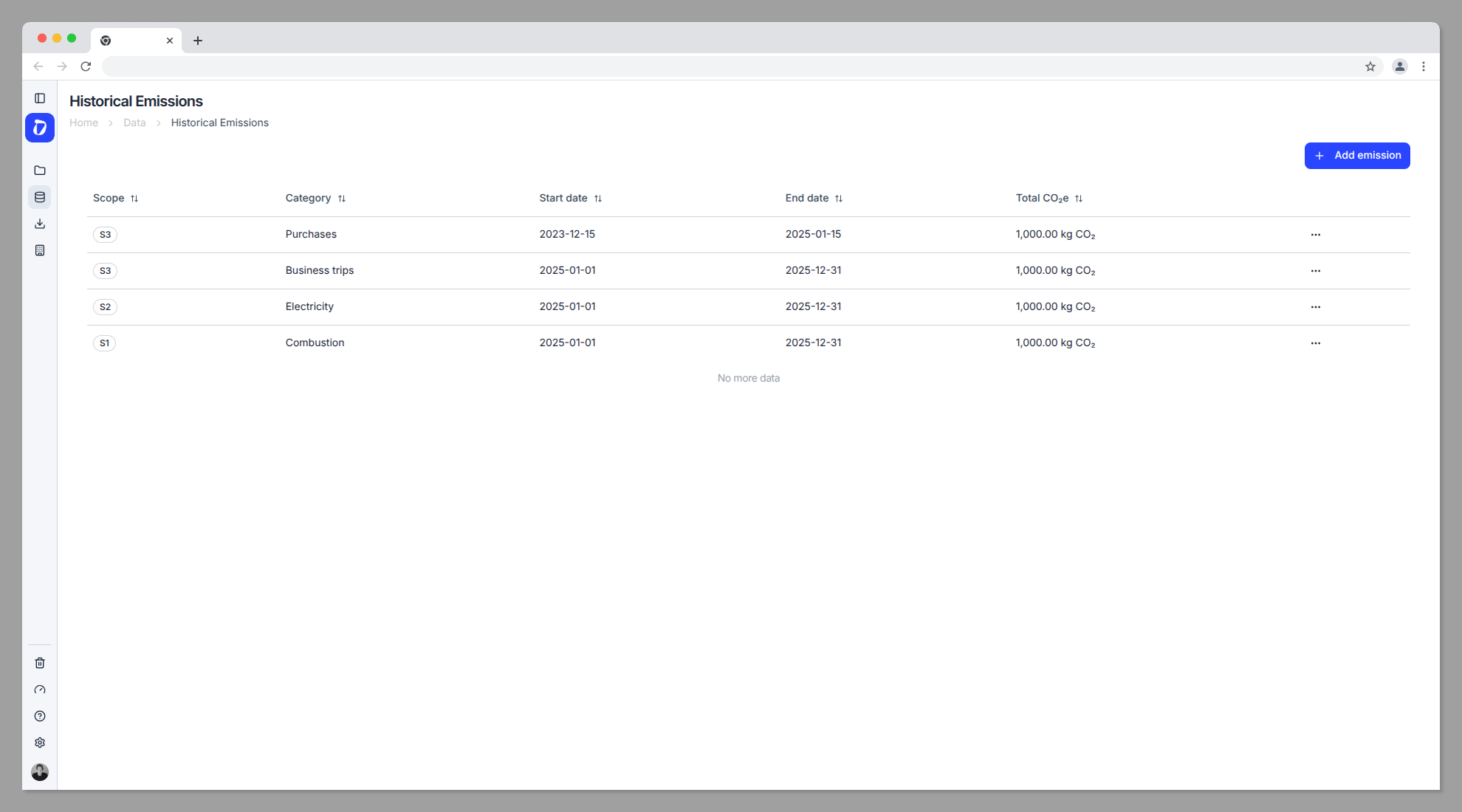
Import emissions calculated outside of Dcycle
Include any emissions calculated outside of Dcycle into your carbon footprint
Mar 4, 2026 · 1 min read 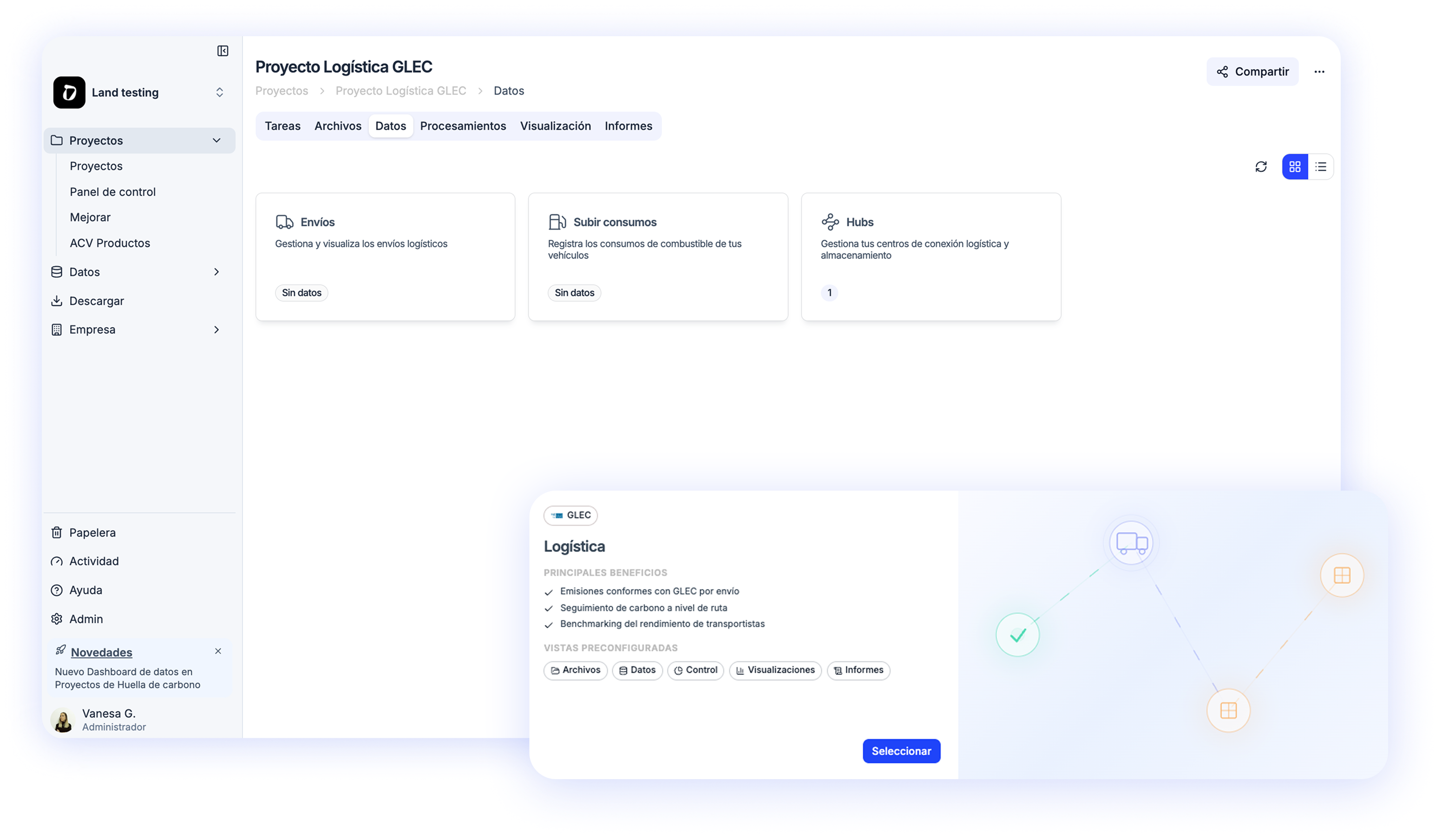
Introducing the new GLEC Logistics Projects
The easiest way to measure your logistics carbon footprint in compliance with the GLEC framework.
 Mar 4, 2026 · 1 min read
Sustainability in public administration: ESG guide
Learn how government agencies measure their carbon footprint, implement green procurement, and lead by example on sustainability.
 Mar 4, 2026 · 6 min read
Sustainability in public safety: ESG reporting
Learn how public safety organizations measure their carbon footprint, manage fleet emissions, and meet sustainability targets.
Mar 3, 2026 · 6 min read 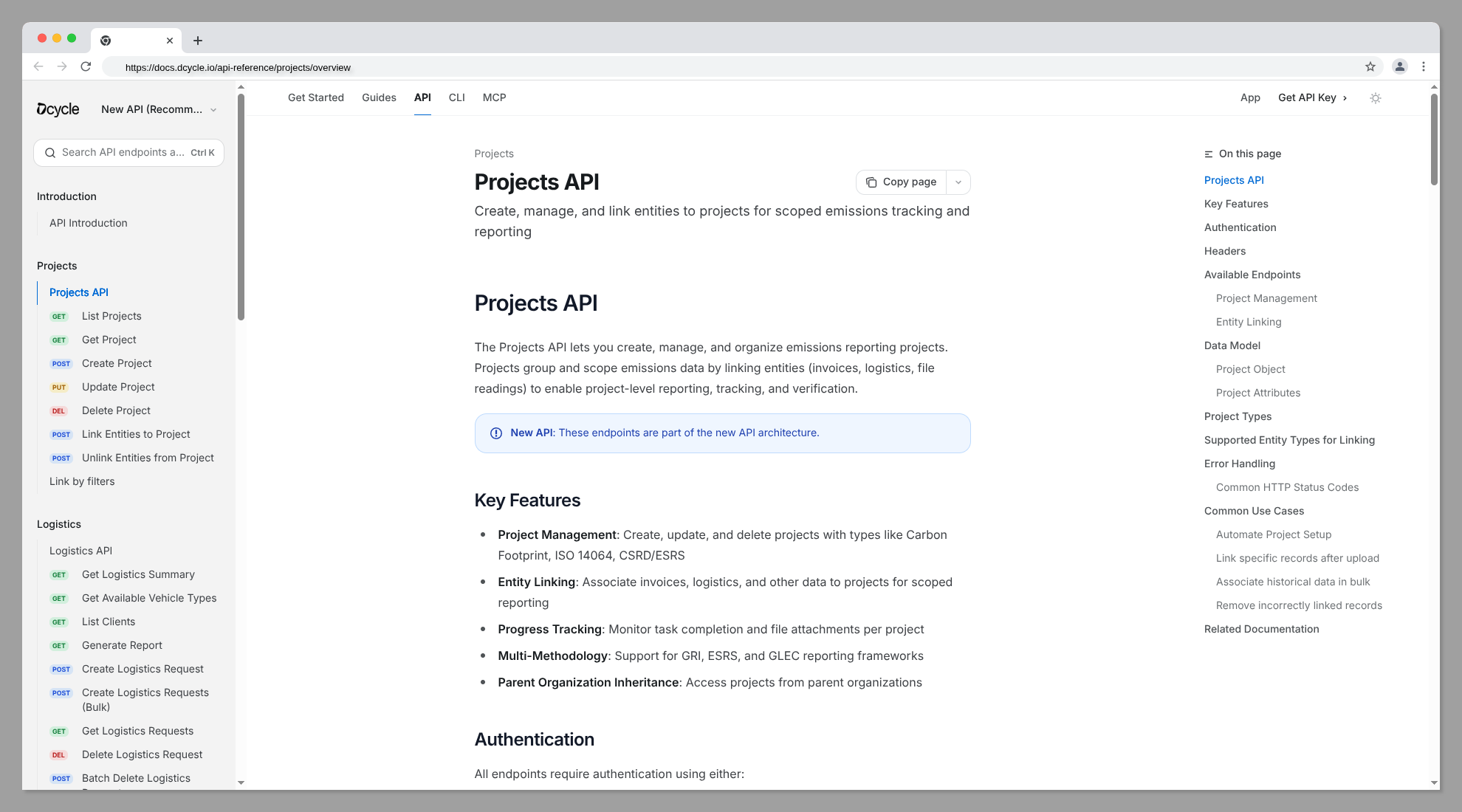
Projects API now available in Developer Center
The Projects API is now publicly available, allowing you to create, retrieve, update, and delete projects directly from your integrations.
 Mar 2, 2026 · 1 min read
Sustainability in wellness and fitness: ESG guide
Learn how wellness and fitness companies manage their carbon footprint, reduce facility emissions, and meet ESG requirements.
Mar 2, 2026 · 6 min read 
Sustainability in entertainment: ESG reporting
Learn how entertainment companies measure their carbon footprint, manage event emissions, and meet ESG reporting requirements.
Mar 1, 2026 · 6 min read 
Transport and logistics sustainability in 2026
Learn how transport and logistics companies manage ESG reporting, reduce fleet emissions, and comply with CSRD requirements.
Feb 28, 2026 · 7 min read 
IFRS S2 GHG amendments: scope 3 relief and what it
The ISSB's December 2025 amendments to IFRS S2 ease scope 3 and financed emissions reporting. Discover what changes, who benefits, and how to prepare for 2027.
 Feb 27, 2026 · 8 min read
Sustainability in software and IT: ESG reporting
Learn how software and IT companies manage ESG reporting, reduce cloud emissions, and comply with CSRD requirements.
Feb 27, 2026 · 6 min read No posts found