

ESG&sustainabilityinsights
Insights on ESG regulation, sustainability reporting, and best practices.
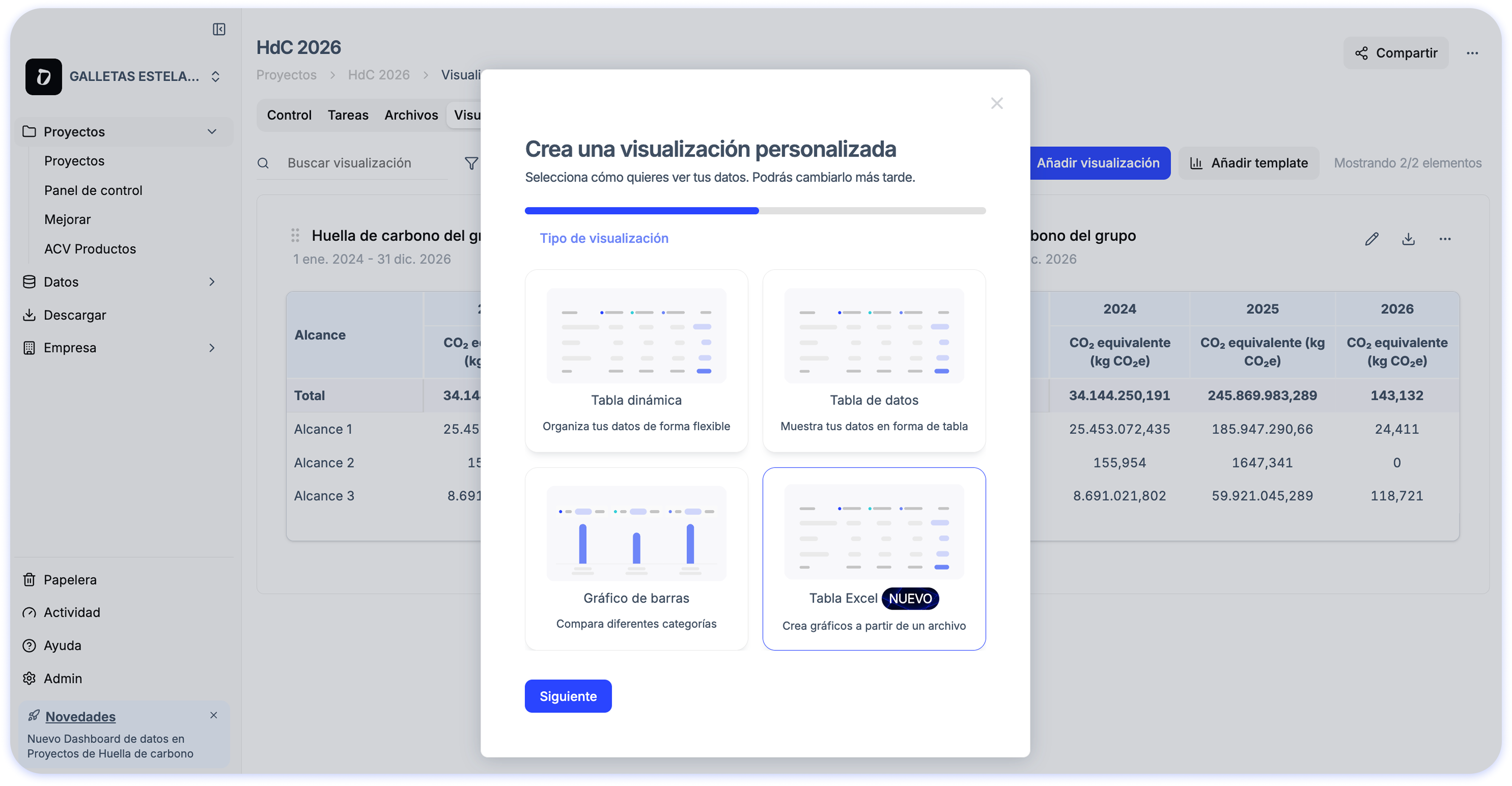
Visualizations directly from your Excel
New improvement to create visualizations faster. You can now create visualizations directly from your Excel files with Dcycle and save time on analysis
 Jan 28, 2026 · 1 min read
CSRD vs NFRD: what changed and what you need to know
A clear comparison of the Corporate Sustainability Reporting Directive and its predecessor, the key differences and what they mean for your reporting.
 Jan 25, 2026 · 6 min read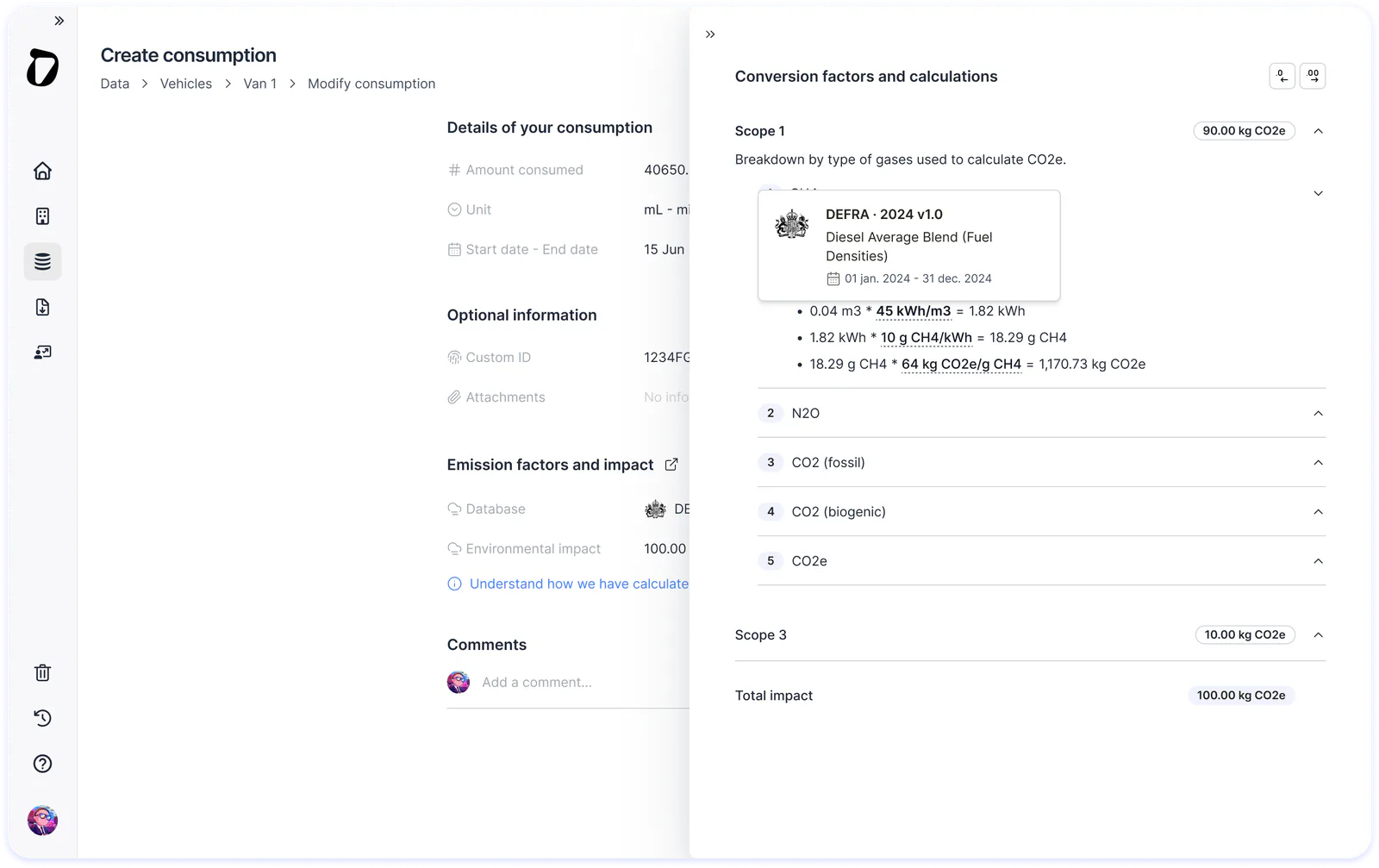
The impact of your vehicle consumption... step by step!
Now, you will not only see the final environmental impact of your consumption, but you will also be able to view all the calculations, factors, and data
 Jan 23, 2026 · 1 min read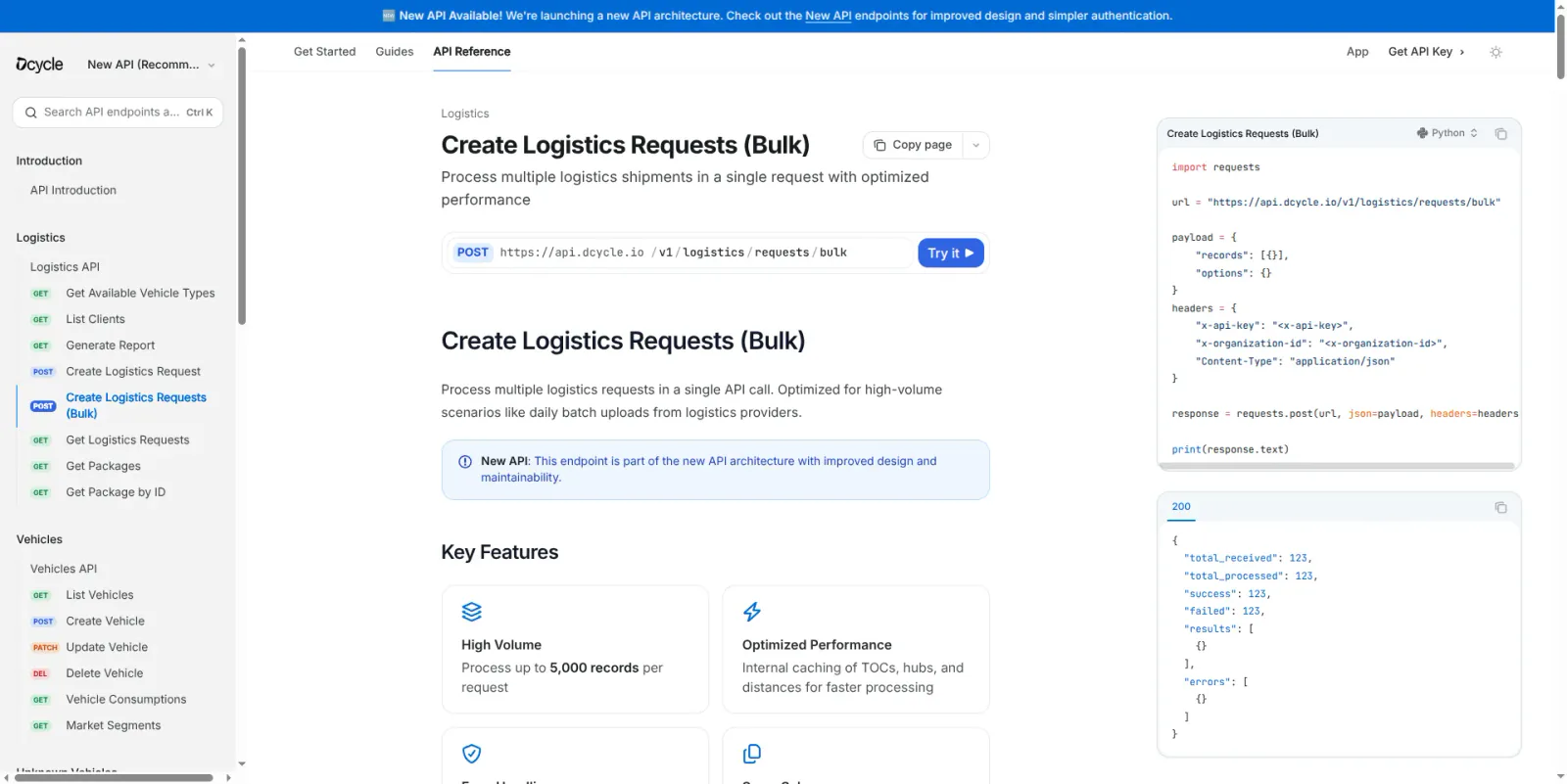
Bulk Logistics Data Upload: Process Thousands of Shipments in Seconds
We've launched a new feature that transforms how our customers can integrate their logistics data with Dcycle.
 Jan 22, 2026 · 2 min read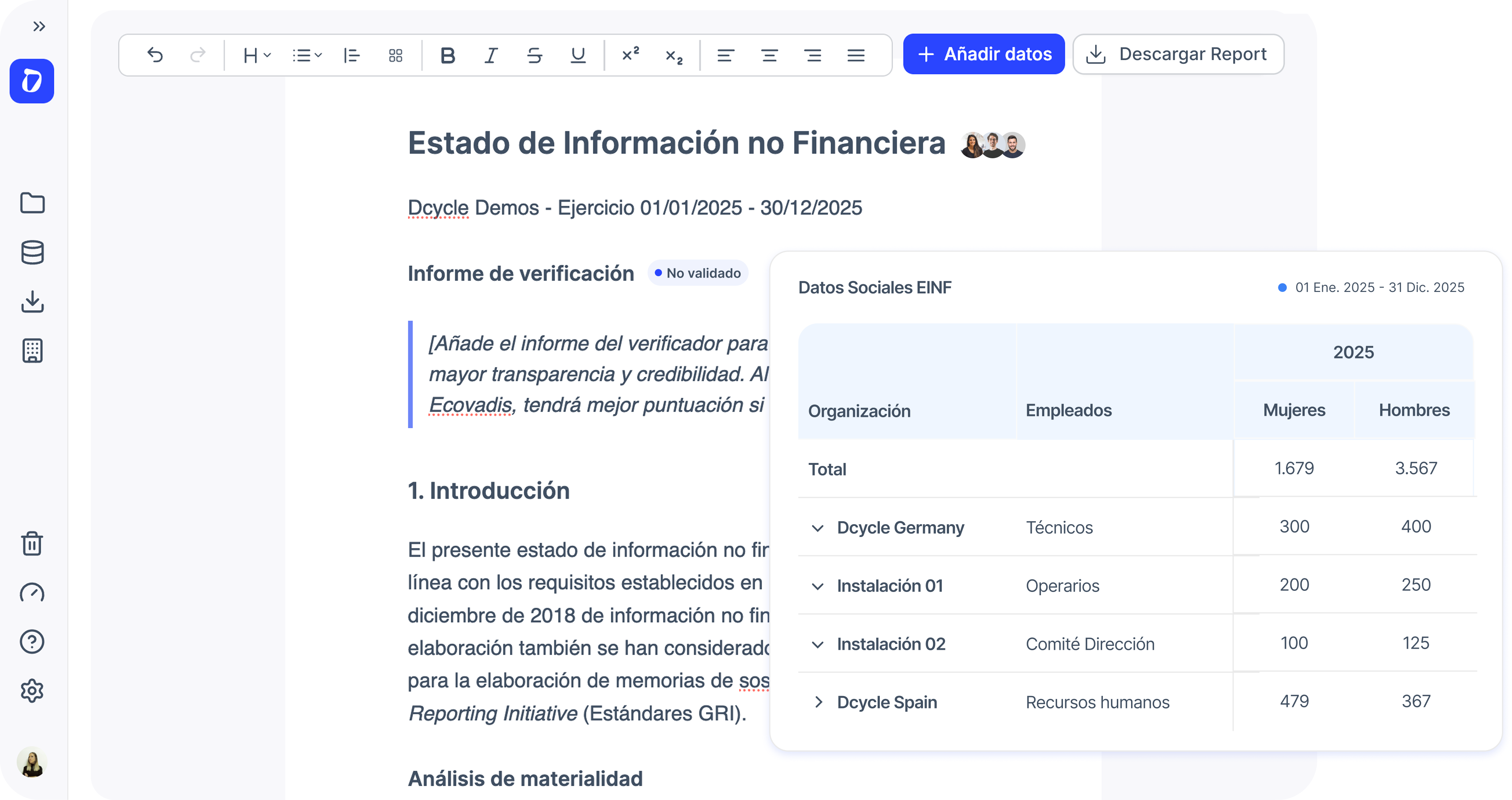
Add any visualisation you want to your EINF
You can now assign the visualisations you create in your projects to any section of your custom report.
Jan 20, 2026 · 2 min read 
What is CSRD? A complete guide for 2026
Everything you need to know about the Corporate Sustainability Reporting Directive: who it affects, what it requires, and how to prepare before the deadline.
Jan 20, 2026 · 8 min read 
What is the EINF? Spain's Non-Financial Reporting Obligation Explained
The EINF (Estado de Información No Financiera) is Spain's mandatory non-financial reporting framework.
Jan 20, 2026 · 15 min read 
How to prepare your CSRD report: a step-by-step
A practical walkthrough of the Corporate Sustainability Reporting Directive, from double materiality to XBRL submission.
Jan 15, 2026 · 5 min read 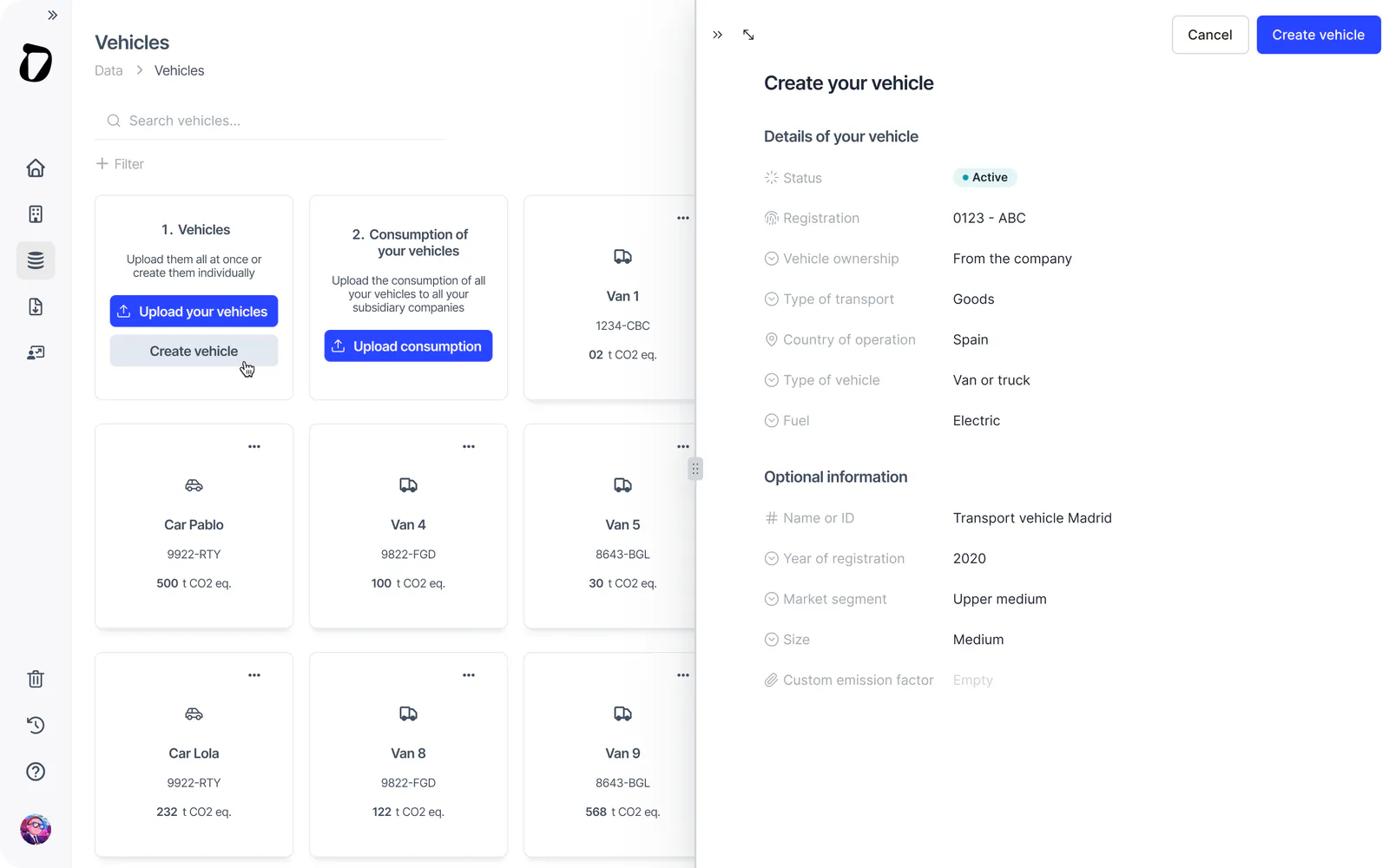
New attributes for your vehicles, including electric and hybrid models
You can now add additional details to your vehicles, such as the registration year, market segment, or size.
Jan 15, 2026 · 1 min read 
Who Needs to File an EINF Report? Thresholds and Exemptions
Not every company in Spain must file an EINF. Understand the employee, revenue, and asset thresholds that determine your obligation, plus exemptions for
Jan 15, 2026 · 6 min read 
CEO Letter: A Worthy Tool for the Sustainability
Dcycle CEO Juanjo Mestre shares the company's vision, its 6M euro funding round, and the new phase that will establish Dcycle as a European leader in ESG software.
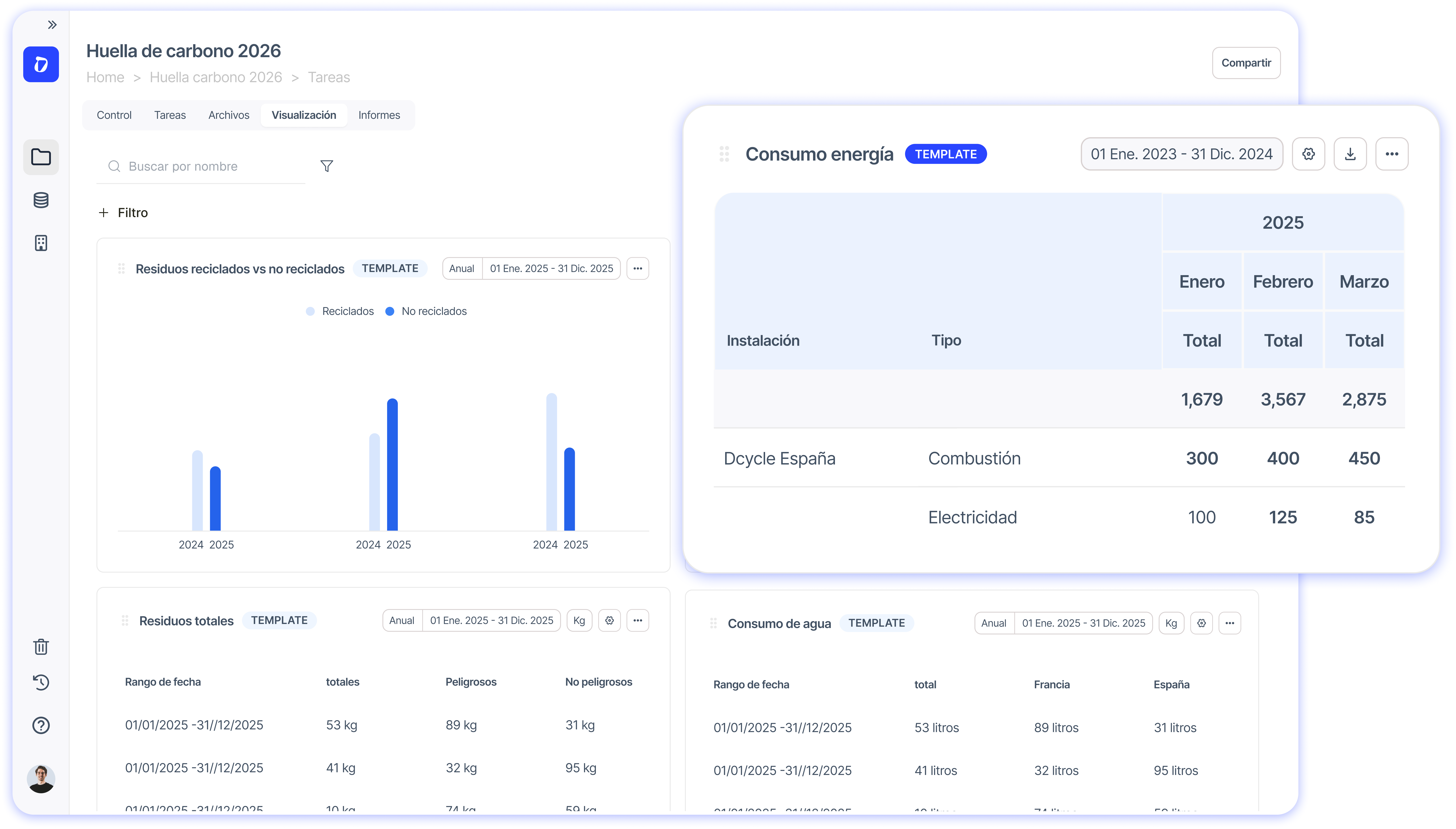
Default visualisations when creating projects
A new improvement in Projects to help you save time on sustainability reporting. You keep the same level of customisation - we just do part of the work
 Jan 13, 2026 · 1 min read
 No posts found