

ESG&sustainabilityinsights
Insights on ESG regulation, sustainability reporting, and best practices.

Accidents & Absenteeism Pivot Table - now live 📊
One dynamic view for all your occupational health & safety data. Connect data straight into your GRI report.
 Feb 20, 2026 · 2 min read
Waste Management Pivot Table 📊
Your waste data, ready for all your use cases: ISO 14001, Waste Logbook, Ecovadis, Sustainability Reporting, etc.
Feb 20, 2026 · 1 min read 
Why ESG Software Was Built Wrong
The sustainability software industry has a $30 billion architecture problem. Framework-first design created structural debt -- here's why single capture

Sustainability in real estate: ESG compliance guide
Learn how real estate companies manage ESG reporting, reduce building emissions, and comply with CSRD and EU Taxonomy requirements.
 Feb 19, 2026 · 6 min read
Commuting Surveys in French, Ukrainian & Polish
Commuting surveys are now available in three new languages: French, Ukrainian, and Polish.
 Feb 18, 2026 · 1 min read
Sustainability in hardware and networking companies
Learn how hardware and networking firms manage e-waste, reduce embodied carbon, and meet CSRD and WEEE reporting requirements.
Feb 18, 2026 · 8 min read 
EINF Governance & Anti-Corruption: What You Need to Disclose
The governance pillar of the EINF covers anti-corruption policies, board diversity, human rights due diligence, and tax transparency.
 Feb 17, 2026 · 8 min read
Sustainability in healthcare: reducing emissions
Learn how healthcare organizations can cut carbon emissions, manage medical waste, and meet CSRD obligations with practical ESG strategies.
Feb 17, 2026 · 9 min read 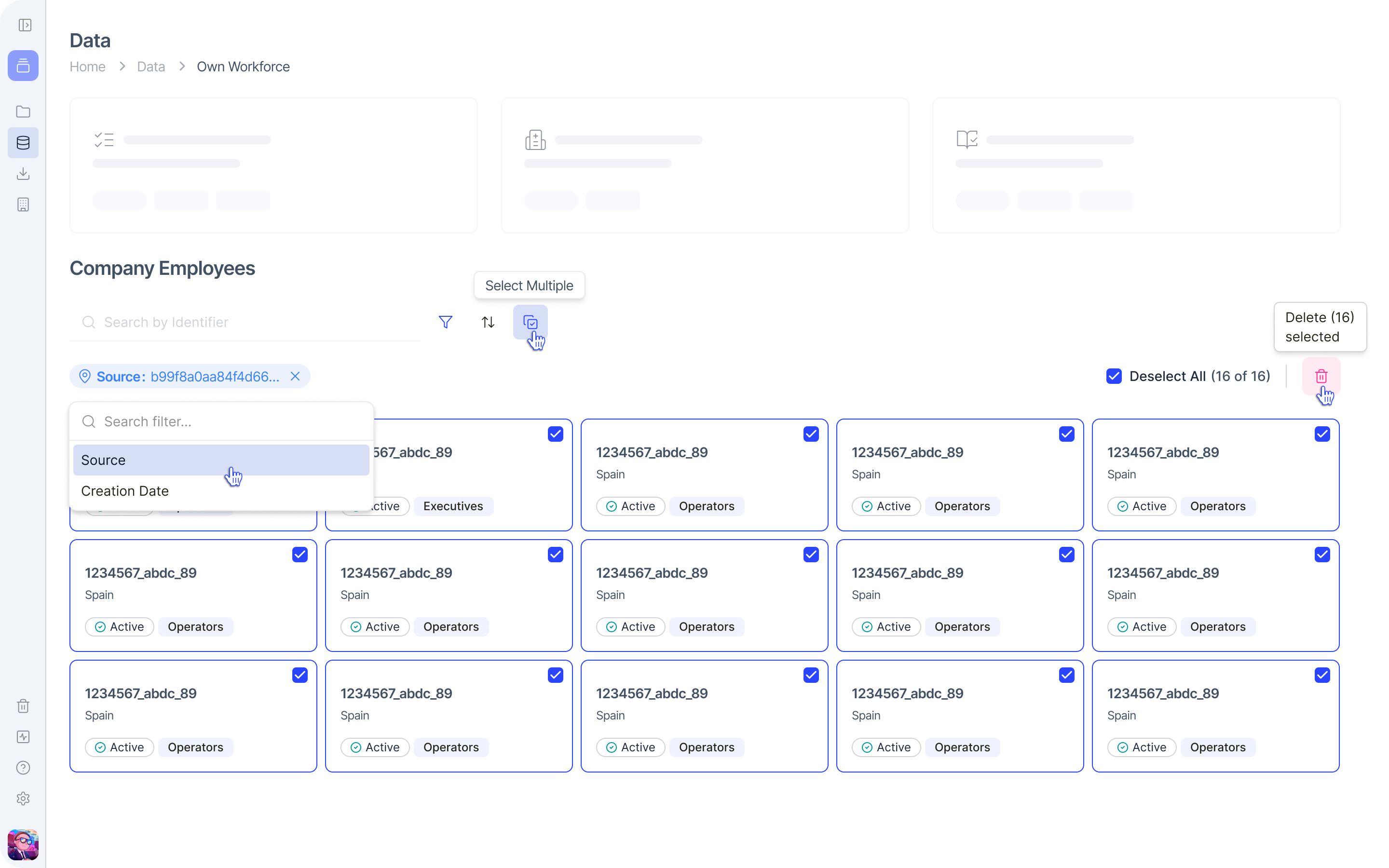
Bulk Data Select + Bulk Delete - Now Available!
We’re moving from file-based deletion to true data-level control.
 Feb 16, 2026 · 1 min read
Sustainability in arts and culture: ESG reporting
Learn how museums, galleries, theatres, and cultural venues measure emissions, meet CSRD requirements, and build sustainable operations.
Feb 16, 2026 · 7 min read 
Sustainability in recreation and travel: ESG guide
Learn how tourism, hotel, and travel companies measure carbon footprints, manage multi-site emissions, and meet CSRD reporting requirements.
Feb 14, 2026 · 7 min read 
Support Portal now available!
We've improved the conversation experience in the support portal to make it clearer and more intuitive.
Feb 13, 2026 · 1 min read No posts found